The growth of data transmission continues to accelerate rapidly. This is due to the increased use of image and video data, the growing use of AI applications and cloud services, and ongoing digitalization. The annual statistics from DE-CIX, a German internet exchange point with globally distributed data exchange points, are a key indicator of international data exchange development. In 2024, DE-CIX recorded 68 exabytes of global data traffic, a 15 percent increase from 2023's 59 exabytes.
The daily record increased from 22.36 to 24.92 terabits per second (an 11.4 percent increase).
Fiber optics: yes, but ...?
This enormous growth is only possible thanks to the increasing use of fiber-optic connections, which provide high bandwidths with low latency. Advances in transmission standards and connectors enable the more efficient use of individual fibers and easier bundling in limited spaces.
Fiber optics are already standard in data centers, and households and businesses are increasingly switching from copper to fiber optics. However, there are still areas where this lightweight, fast technology has not been adopted because it is considered difficult to handle in some situations.
Transitions from one fiber to the next are sensitive to dirt and moisture. Mechanical stress and vibrations can also impair or interrupt data transmission. High temperatures and frequent plugging cycles are also considered arguments against using fiber optic cables.
Therefore, in harsh environments, users often rely on established copper cabling. This is the case in heavily contaminated environments, for example those in outdoor applications with mobile locations, such as in defense.
... of course!
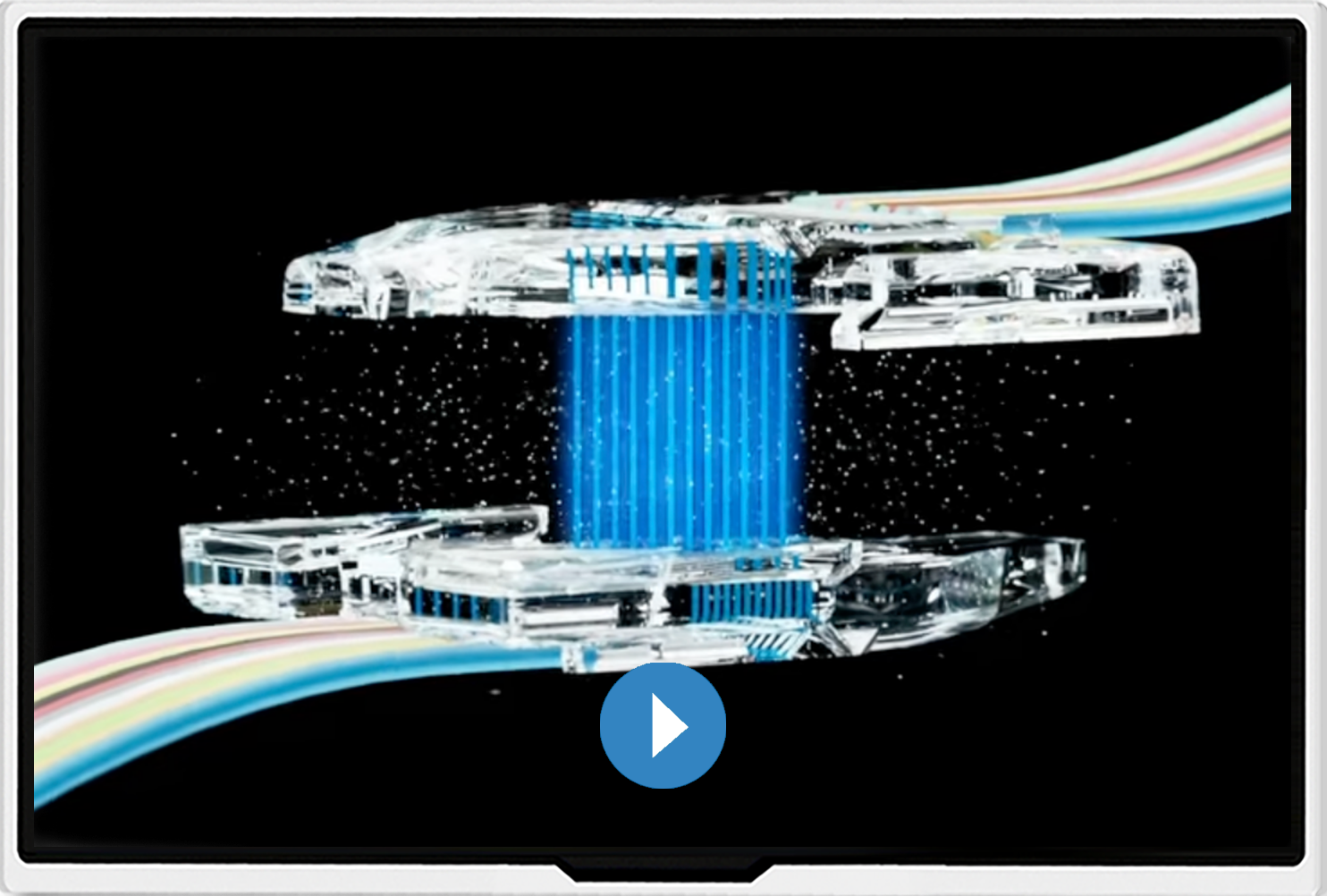
The principle of beam expansion was a first step towards more robust fiber optic connectors. This principle was further optimized with the EBO (Expanded Beam Optical) ferrule concept (see the box titled "The Principle of Beam Expansion").
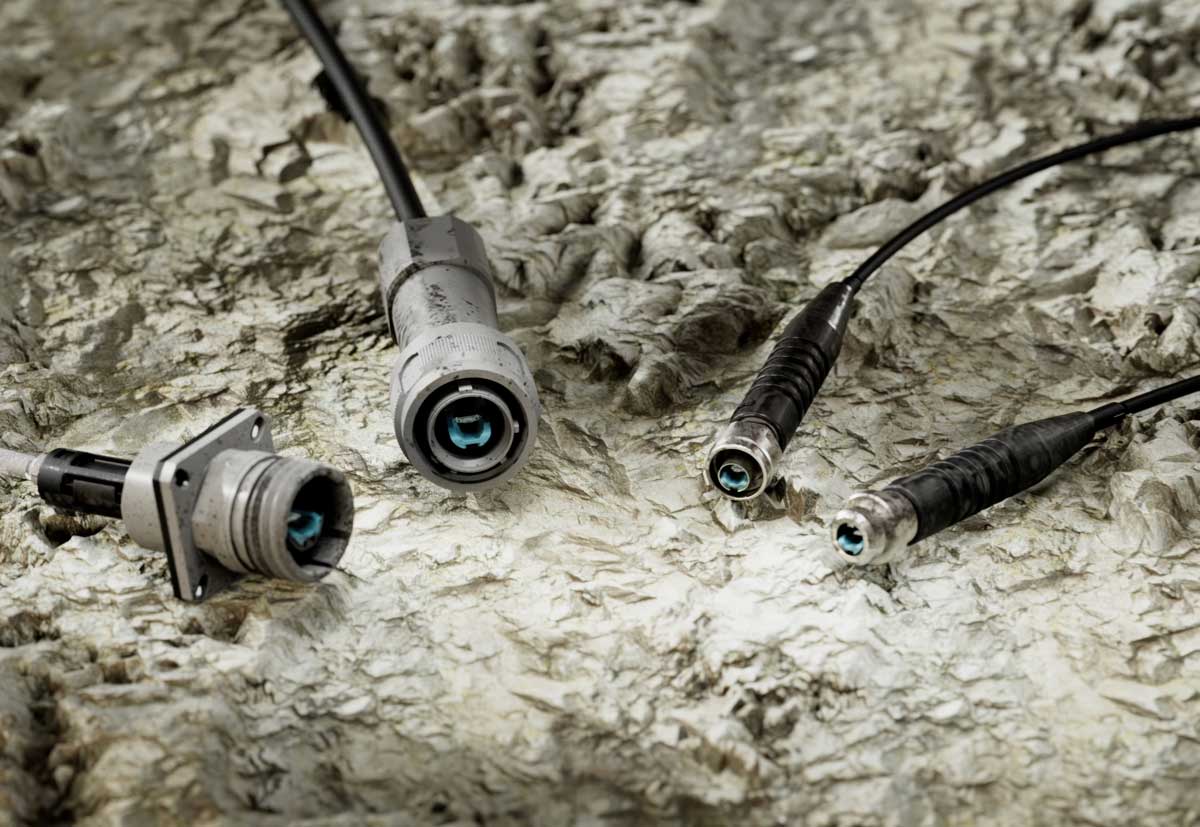
Rosenberger Expanded Beam Multifiber Connectors